
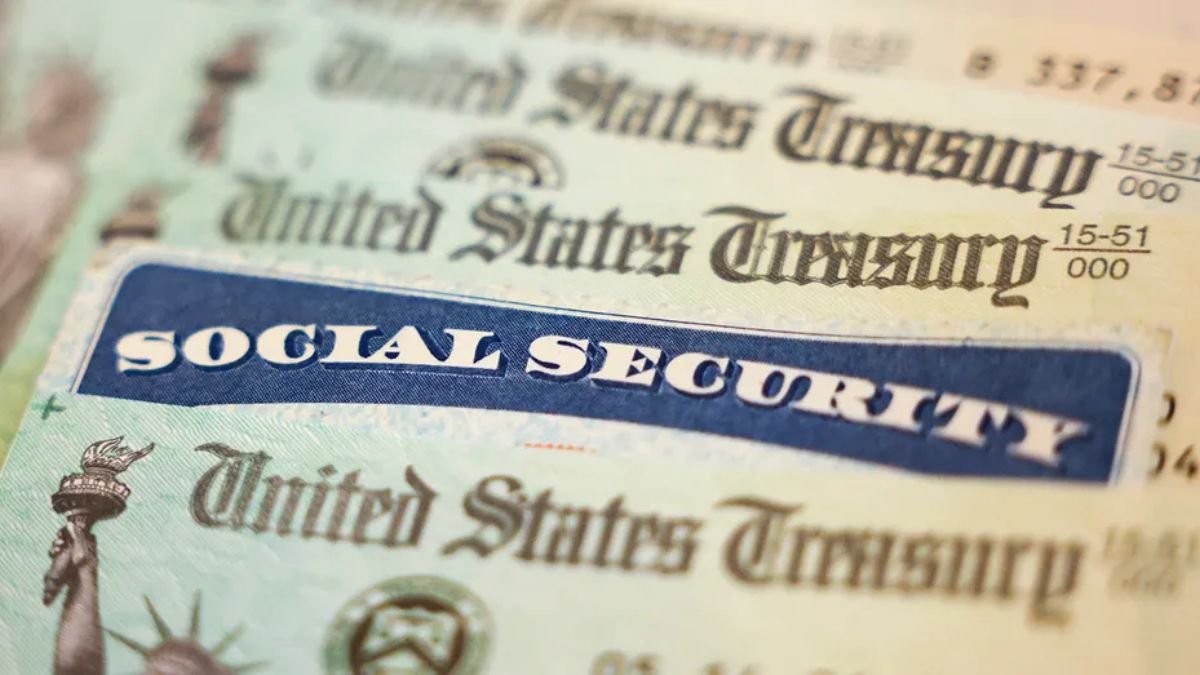
Social Security is a crucial financial safety net for retirees in the United States. This program provides monthly income to senior citizens, disabled individuals, and eligible families. However, according to recent financial reports, the Social Security Trust Fund could be depleted by 2033, potentially having serious consequences for retirees and future beneficiaries.
What is the Social Security Trust Fund?
The Social Security Trust Fund is divided into two main parts:
- Old-Age and Survivors Insurance Trust Fund (OASDI)
- Pays for retirement, widow/widower benefits, and children’s benefits.
- Disability Insurance Trust Fund (DI)
- Provides disability benefits.
These funds are financed through Social Security taxes (FICA). A portion of the income collected from employees and employers is deposited into the trust funds, which are then used to pay benefits to beneficiaries in the future.
What Fund Depletion by 2033 Means
- The depletion of the trust fund means that once the fund’s principal is completely exhausted, the only source of benefit payments will be the income from taxes.
- According to reports, the trust fund will not have sufficient reserves left by 2033.
- This means that if no reforms are implemented, benefit cuts are possible in the future.
- The estimated cuts could be up to 20%, directly impacting the monthly income of retirees.
Potential Impact on Retirees
- Reduced Monthly Benefits: Current beneficiaries may potentially receive lower payments.
- The benefit amount for new retirees may be lower than expected.
- Future Financial Insecurity: Those who have based their retirement planning primarily on Social Security will need to make additional financial preparations.
- Pressure on Retirement Age: The government and policymakers may increase the retirement age.
- This would extend the period of contributions and delay the receipt of benefits.
Impact on Budgets and Investments
- Retirees may need to adjust their savings and investment strategies.
- There will be an increased need for more self-directed retirement funds or private pension plans.
- Potential Solutions for the Government and Policymakers
- Increase in Social Security Tax Rate
- Increasing the current FICA tax would allow more funds to be deposited into the system.
- Adjustments to Future Benefits
- Gradual reduction in payments to beneficiaries.
- Imposing additional taxes or reducing exemptions for high-income beneficiaries.
Raising the Retirement Age
- Stabilizing benefit distribution by increasing the retirement age.
- Incentivizing Private Pensions and Investment Options
- Encouraging citizens to adopt private investment plans for their retirement.
- Experts believe that a combination of these measures could potentially help stabilize the fund.
Preparation and Planning for Retirees
- Create a Self-Directed Retirement Fund: Focus on 401(k)s, IRAs, and other investment options.
- Do not rely solely on Social Security.
- Control Expenses and Savings: Reduce monthly expenses and build an emergency fund.
- Seek Guidance from a Financial Advisor: Get professional advice on investments, taxes, and retirement planning.
- Develop Diverse Income Streams: Consider annuities, real estate investments, and other stable income options.
Expert Opinions
Financial experts believe that:
- The Social Security fund is projected to be depleted by 2033, but reforms and policy changes can stabilize it.
- Retirees should now incorporate independent income sources into their retirement planning.
- Those who rely solely on Social Security may face financial risks in the long term.
Conclusion
This timeframe leading up to 2033 signals the need for proactive planning and strategizing for both retirees and employers. It’s clear that relying solely on social security can be risky, and creating self-generated income streams for financial independence is now more important than ever.
FAQs
Q1. What is the Social Security Trust Fund?
A. The Social Security Trust Fund is a reserve that collects payroll taxes to pay benefits to retirees, survivors, and people with disabilities.
Q2. What does “Trust Fund Depletion by 2033” mean?
A. It means that by 2033, the reserves in the Social Security Trust Fund could run out, leaving only payroll tax income to cover benefits.
Q3. Will Social Security benefits stop after 2033?
A. No, benefits won’t completely stop. However, without reforms, benefits could be reduced to about 75–80% of the promised amount.